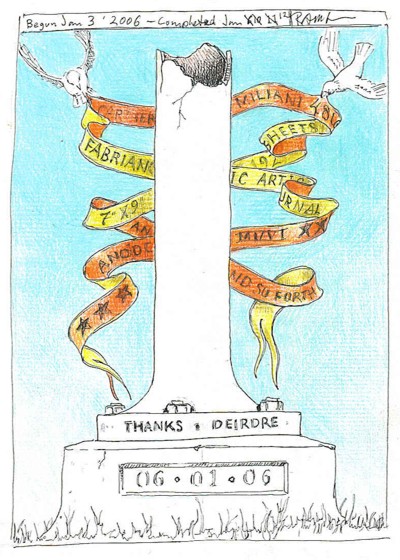
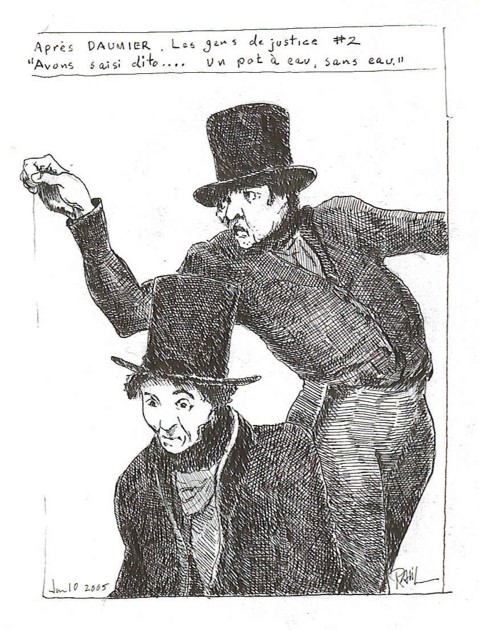
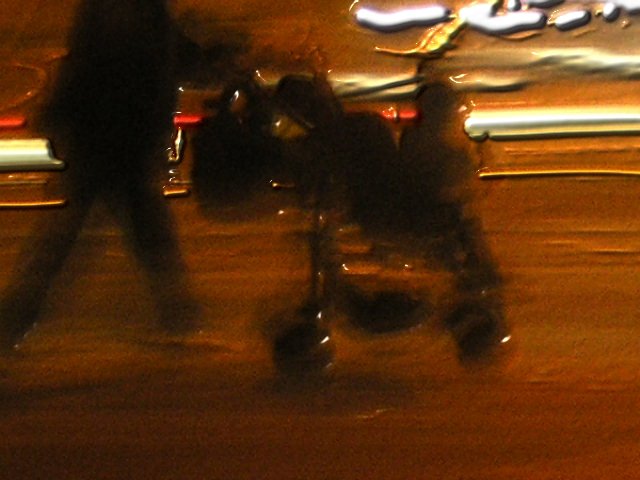
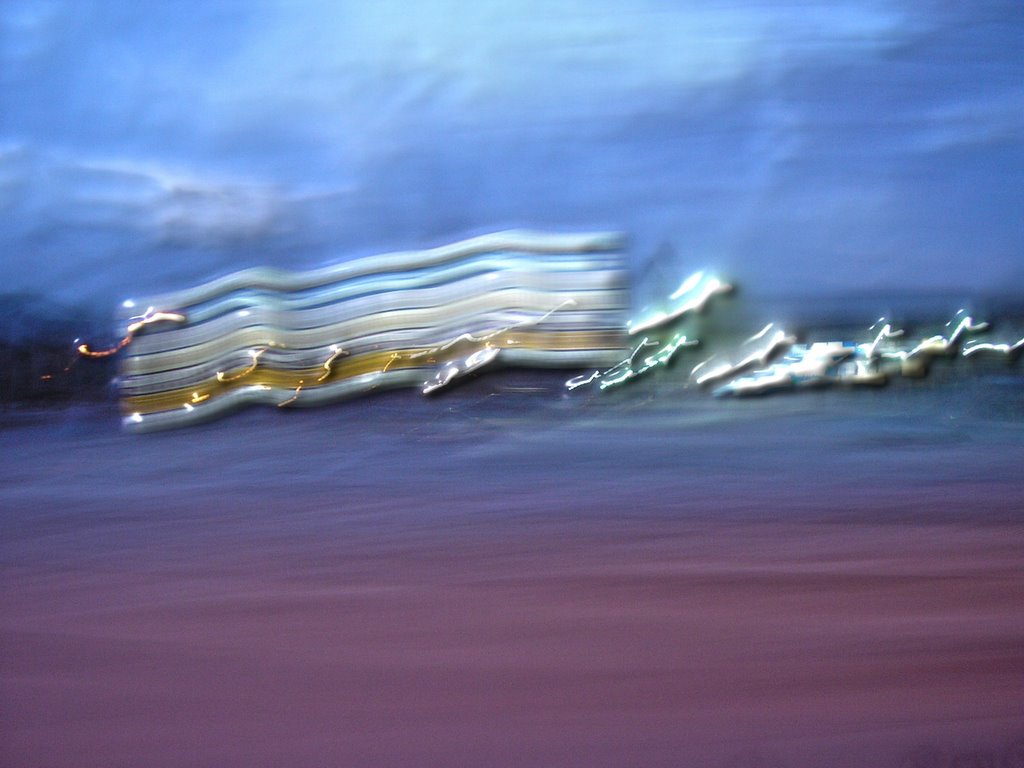
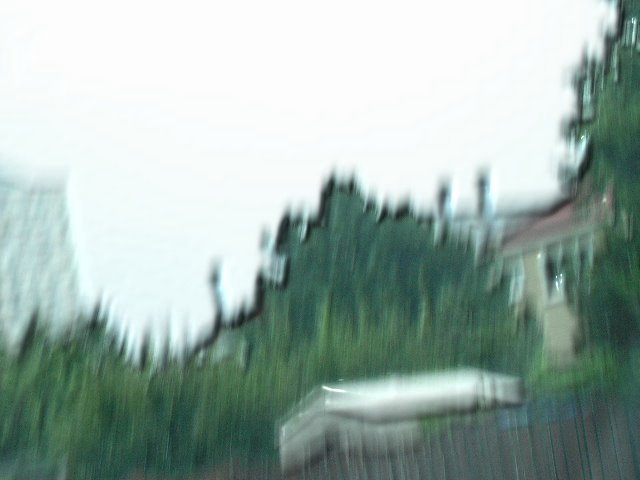
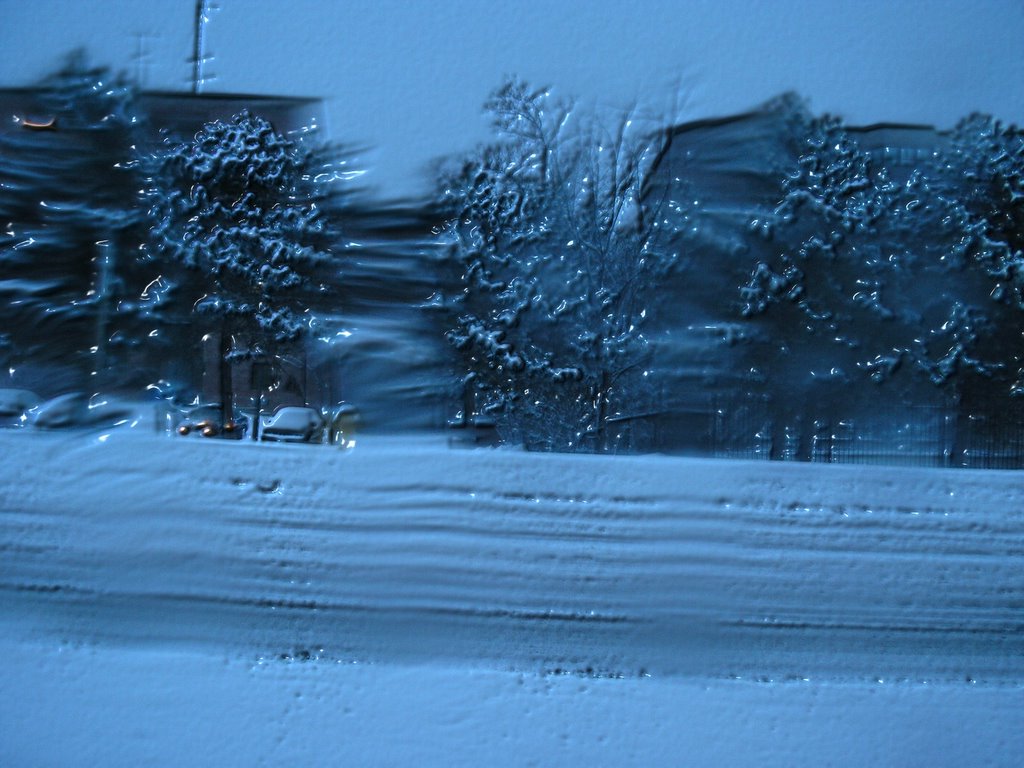
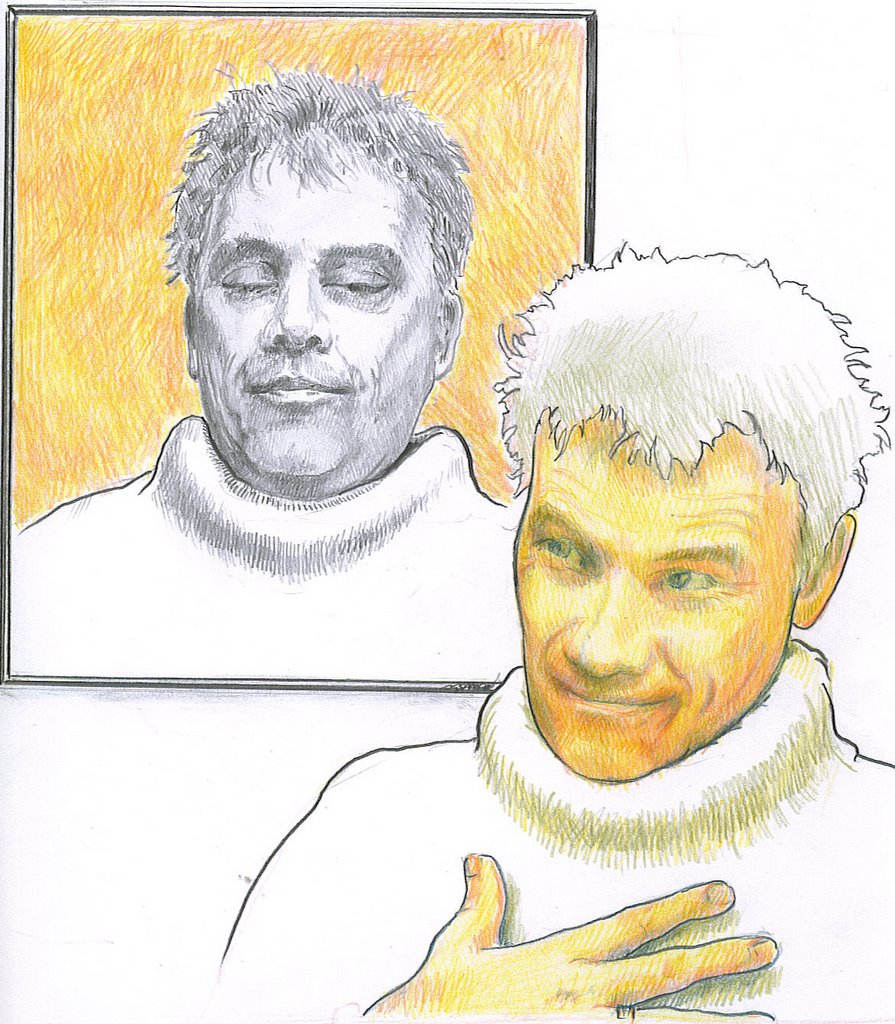
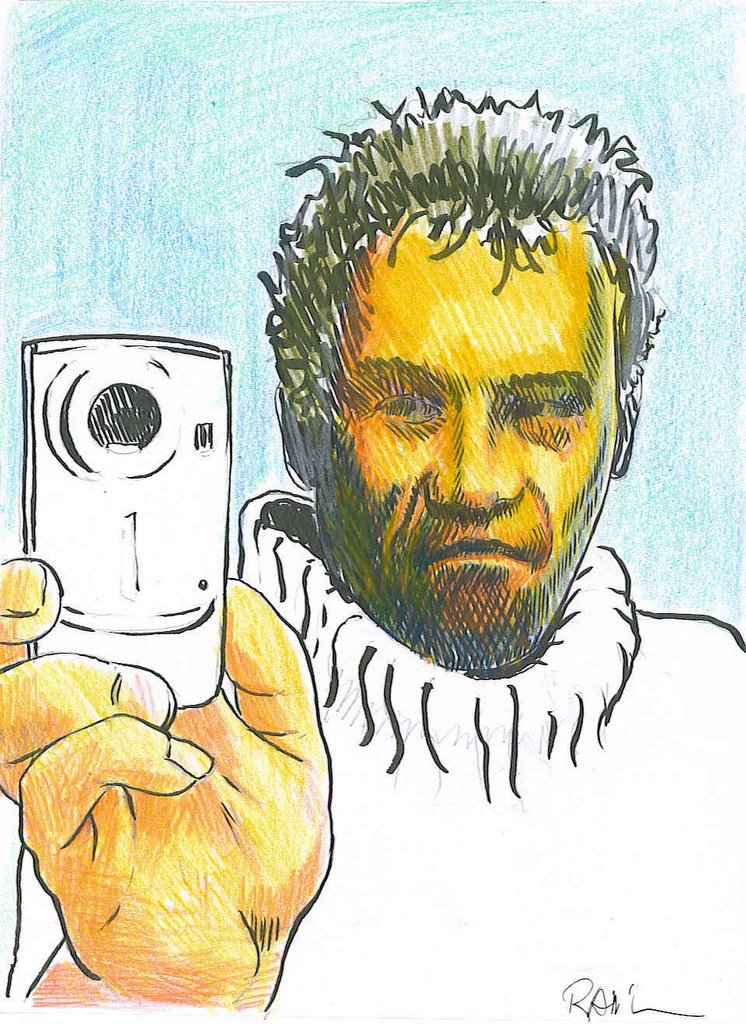
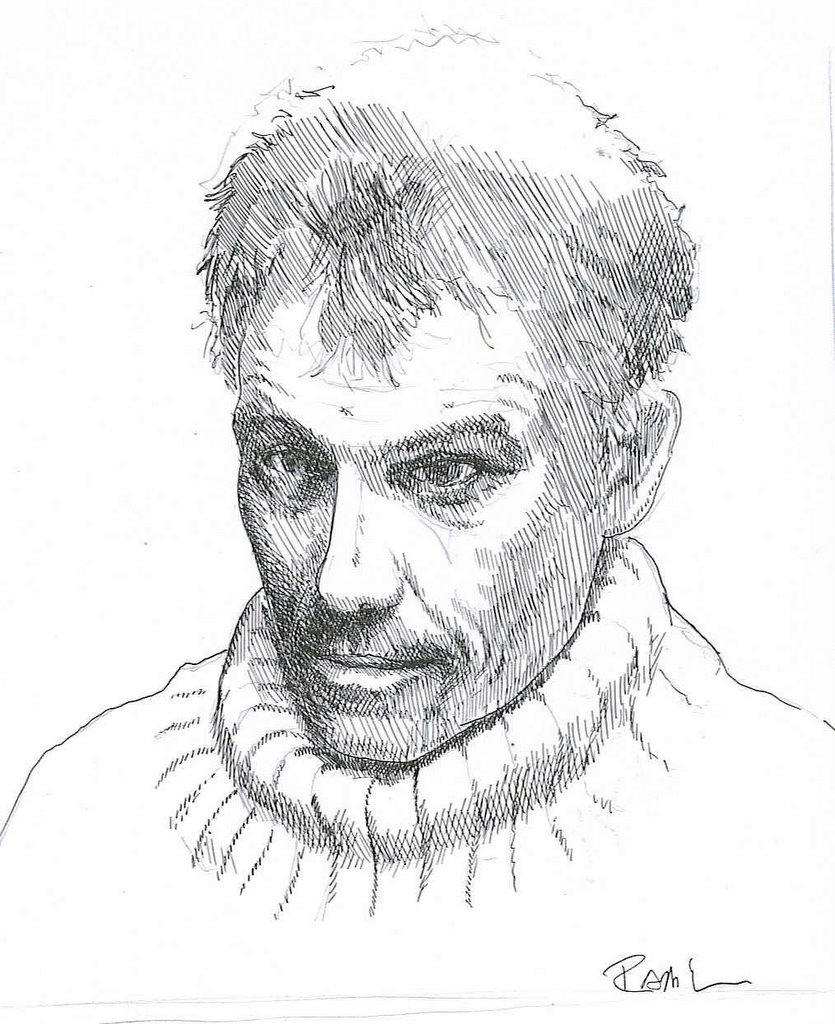
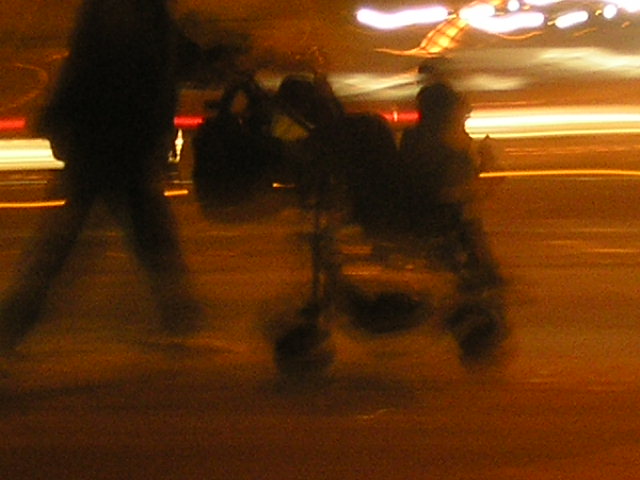
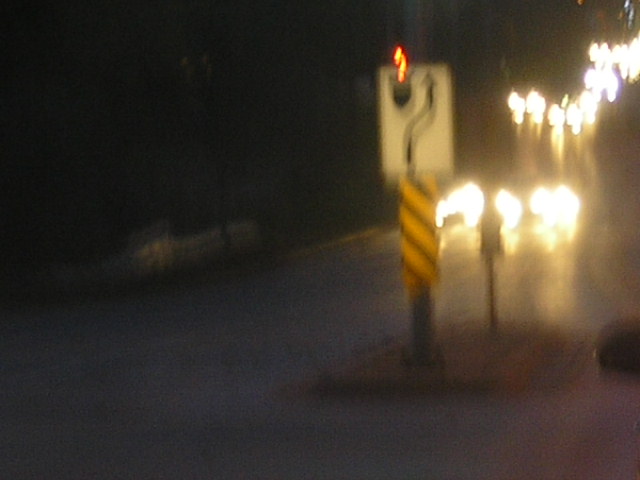
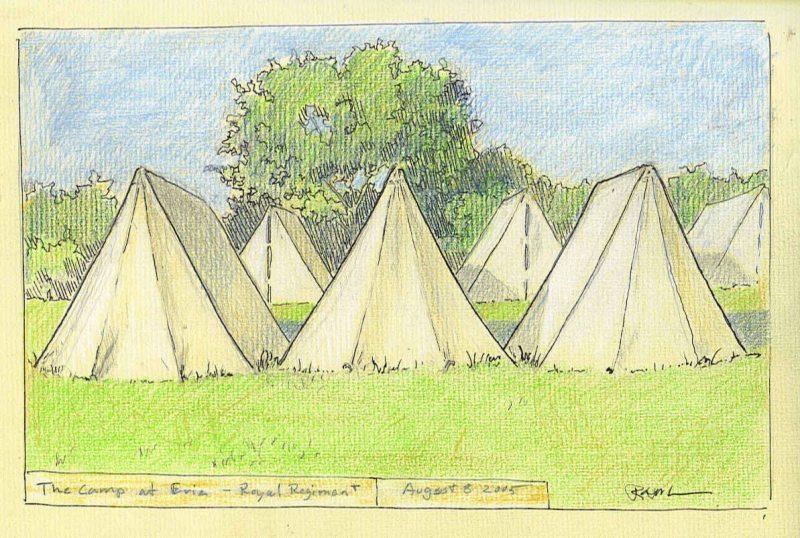
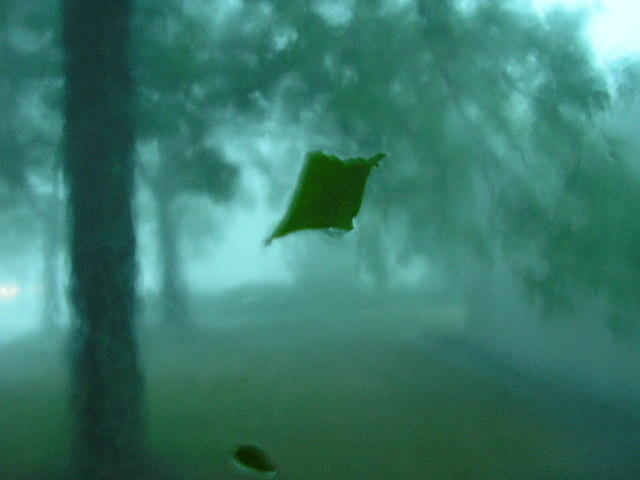
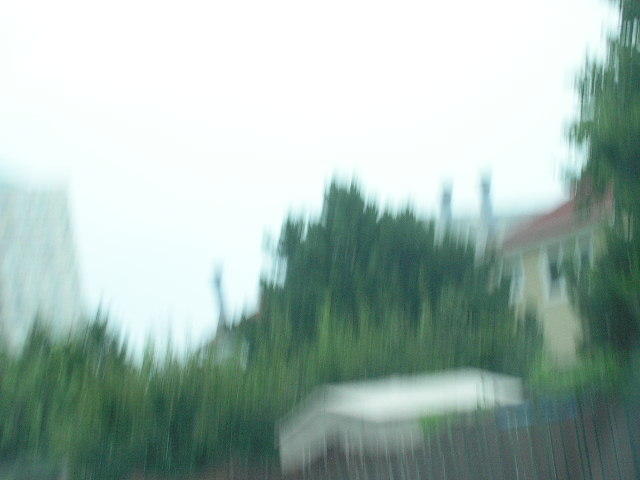
 Much to my delight and very unexpectedly, I've been invited to participate in a group exhibition of art, opening in Winnipeg and touring to Kitchener and Montreal. What seemed to get the attention of the organizer, James Culleton was my "fuzzy" photographs, fitting with the theme, of "blurred or double vision" as they do, of course. So I've thought about how my work fits into that theme. I'm trying to decide what pieces it include.
I don't often like to do things without a reason. Or a sense, at least, that there is a reason. The reasons may often arbitrary, and clouded in uncertainty to be sure. As we navigate through life, both physically and metaphorically, we try to attach to some sort of firm ground to provide a sense of certainty about who, where, why, when and what we are - In relation to everything else. Sort of a "You are here" sticker on a mall map. In this context, I see blurred vision as being synonymous with uncertainty.
 I'm a graphic designer. My area of expertise is wayfinding signage. I'm employed by a transit agency and a large part of my job recently has been the background work on redesigning our signage standards. When one is designing such a thing, it is important that it look good, but the first item of concern is function. You don't just change something because you feel like it. You need a reason, and the reason needs to be the right one. Who does it serve and how can we make it functionally better and not cost too much...
An actuality is that not only is the demographic mix of passengers getting a little older but most of our passengers catch their trains before sun up and after dark for most of the year and in all sorts of weather. After taking the train once, you pretty much know your way and never need to look at directional signs again. It's not rocket science, but with growth and the turnover rate, as people change jobs, find other ways to get to work, etc. There are hundreds of people every day who are new to the system. People are rushed, distracted and not fully awake while trying to find their way to the right train, figure out how to by a ticket, when the next rain arrives and so on. A sign is virtually never needed when viewing conditions are ideal, so we needed to find a typeface that could be demonstrated to be more legible than all others in all viewing conditions. I did this by selecting a few that were design to meet those criteria in the first place.
 They were; Tiresias, designed by a team of scientists at the RNIB ((British equivalent of our CNIB.)) APHONT. Designed by a similar team at The American Printing House for the Blind. ClearviewHWY, designed by a graphics firm in co-operation with Transportation engineers and thoroughly tested in all weather conditions using cars moving at highway speeds on a full scale test track. ((Subjects were tested for the distance they were from a sign before they could read it and how long it took to read.)) And finally, Transit Font FF, designed by Eric Spiekermann for MetaDesign in their German office , to meet requirements for improved signage after a fire at Düsseldorf International Airport that killed quite a few people. It is now used by quite a few German Public Transit Agencies - Hence the name, I guess. The typeface we have been using is Helvetica.)
I then had signs made up in all the different faces photographed them and blurred the images digitally. I then asked people the read the signs and had them rate the legibility of each character in the sign on a scale that ran from "can't tell what letter is al all" to absolutely certain what letter it is" From that exercise it was I was able to choose and back up my preference for Transit Font FF over the rest, based on relatively objective criteria. (Second most readable at identical letter heights, but since is more compact, you can use larger letters in the same space.) It also happens to be the best looking of the lot, which is a bonus.
Any how, To get back to the subject of making art and embracing uncertainty... Sort of a follow the dotted line idea, but you rely a little on their logic and a little on your ability to communicate visually, but in the mean time, there is a lot of noise to interfere with both. (the dots maybe very far apart and not easy to see at first) Imagine trying to find a washroom at a mall. You start with some basic reasoning:
- the mall wants you to be able to find the washroom on your own, possibly because they are nice and want to help, but more likely so that shoppers will take up less time of the employees of the mall and their tenants, who would otherwise be asking where the bathroom is. - So there will be signs.
- B: they don't make any money off the washrooms so the signs will be discreet and out of the way of advertising and they will be grouped with other similar signs pointing to other services.
C: Architects hate directional signs, so they will be more discreet than the should be, but the signs will be at points where you need to decide which direction to take.
D: The wash room will likely be near where food is served. (not for your convenience. They have to, but because that's also where the plumbing is.)
 So, there are certain things you know at the outset. A set of logical conclusions you can make before you begin looking, even though the design and layout will be different in every mall. There is still a degree of uncertainty until you can picture where you are in relation to where you need to be. Once you know, you can relax. With my art, I want to take that certainty away. It's about looking for things. Not finding them.What I found with the type face tests was that (mostly with Helvetica), certain letter shapes would close when blurred: The letters s & a and e could be come indistinguishable. Other letters or combinations of letters are the same shape, as in the word 'Ill' for example. We read by word shapes as much as by letter shapes though, so even if you can not identify any letters in a word you can make an educated guess about what the word is, and when the word is in context, you can be 100% certain. The process is slowed down though, which is why it is an issue in wayfinding signs. On the other hand, it is interesting how much information we can dispense with and still function.